
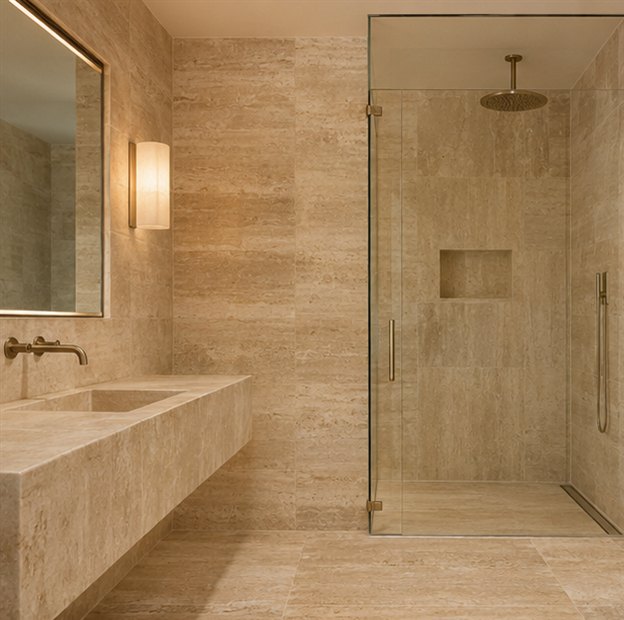
Bathroom Tile Installation
Floors, walls and tile layouts for bathrooms.
Explore bathroom tile, kitchen backsplashes, outdoor surfaces and grout repair.
Floors, walls and tile layouts for bathrooms.
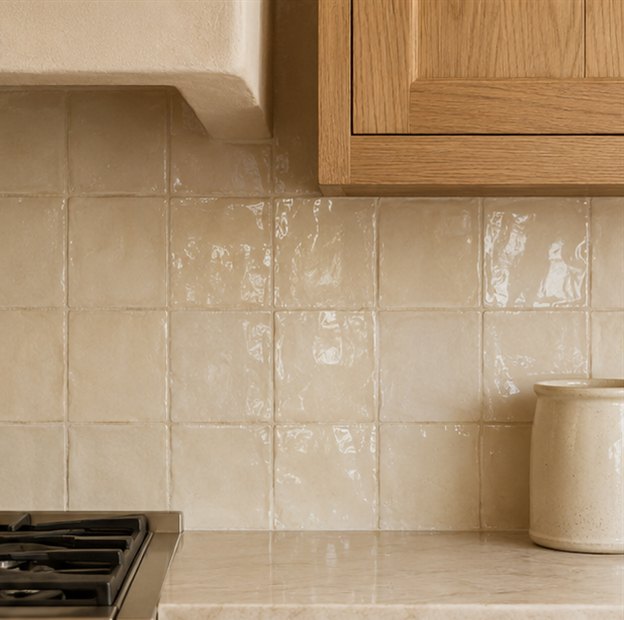
Ceramic, porcelain and mosaic for the kitchen splash zone.
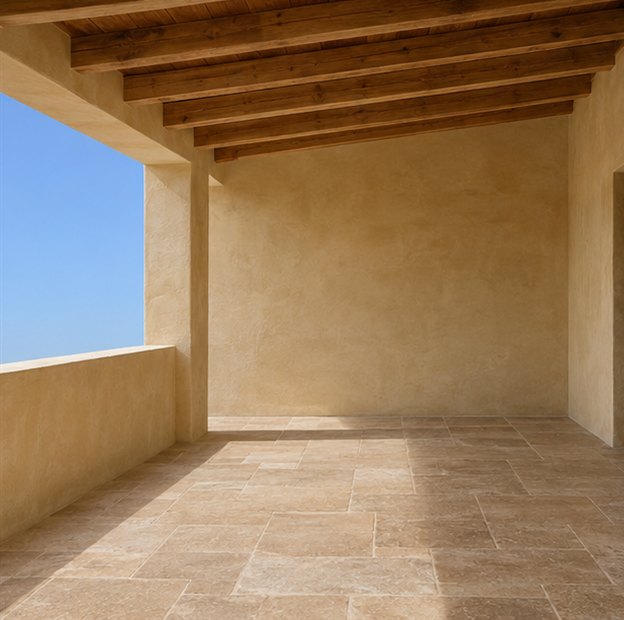
Exterior tile for surfaces exposed to sun and rain.
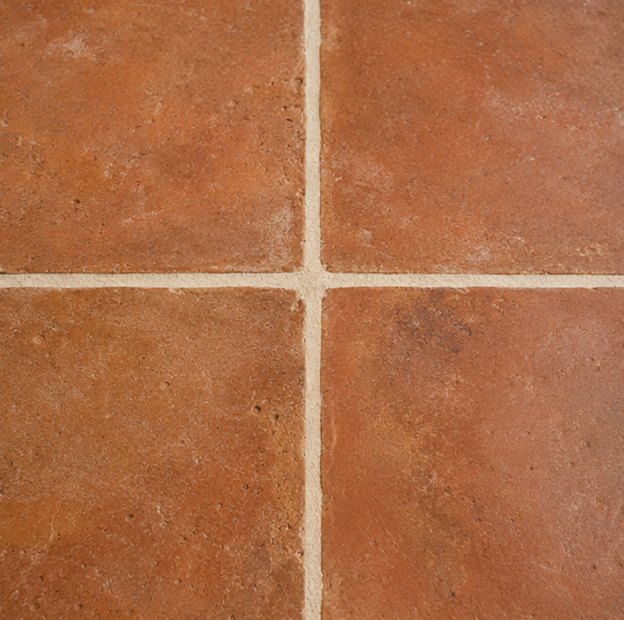
Repair cracked or crumbling grout between existing tiles.
When a project spans several rooms, start with the surfaces you want tiled and the finish you want to carry between them. Doorways, thresholds and changes in floor height can affect how those rooms connect.
Tile shape and room dimensions influence the direction of the layout and the cuts along the perimeter. Tell us what flooring is there today and which rooms or doors meet the new tile.
On a feature wall, the centerline and the edges are both visible. Window returns, wall fixtures and outside corners help determine where full tiles and cut tiles should land.
Tell us whether the request covers treads, risers or both. The ends and front edges of each step should be considered together when planning the layout.
Tell us what heating system and tile assembly are already in place. The materials and sequencing depend on that assembly, and the heating system should be prepared before tile setting begins.
Bring the entry layout and door locations. A tile transition between the mudroom and neighboring floors is easier to plan before the tile is selected.
A bathroom layout often starts with the vanity and the threshold. Share any tile sizes you are considering and whether the floor, walls or both are in scope.
Tell us about the shower floor, walls, niches and any curb you want tiled. These features determine where grout lines and changes in tile size are most noticeable.
Share the height of the backsplash, the cabinet layout and any exposed ends. A full-height backsplash and a strip under upper cabinets need different layouts.
Let us know if cabinets, appliances or adjoining flooring are changing. Those details affect edge cuts, thresholds and the sequence of the tile work.
Share the tub dimensions and where the tile should end. Niche placement, plumbing openings and exposed wall edges are useful details when planning tile cuts.
Describe the surface, whether it is covered and how it is exposed to rain. Bring any tile you are considering so its intended use can be checked against the location.
Share the fireplace layout and the surfaces you want tiled. The opening, hearth edges and equipment clearances help define the tile layout and material choices.
Tell us what surface is exposed and where the board will meet adjacent finishes. Substrate condition, fastening and transitions are part of planning the tile assembly.
Trim can define the end of a backsplash or protect a projecting corner. Share the tile thickness and the edges you want finished so the profile can be planned with the tile.
Describe the tile, the area and what should stay in place. The material below the tile can affect how the exposed surface is left for the next phase.
If you are trying to match the existing finish, note whether you have spare tile. A full section replacement can offer more layout options than replacing a single tile.
Share where the damage starts and stops, and mention any movement you can feel. That context helps distinguish a small repair from a wider replacement request.
Tell us when the damage appeared and which tiled surfaces are affected. If moisture is still entering the area, the source needs to be addressed before the tile repair is planned.
Tell us if the joints are crumbling, missing or repeatedly cracking. If the tile itself moves, include that in the request so the repair can account for it.
Porcelain, ceramic, natural stone, glass and mosaic have different finishes and intended uses. Compare samples in the room and match the tile to its surface before deciding on a pattern.

Aligned grout lines create a regular grid.

Staggered rows shift the joints from one course to the next.

Alternating tile directions create a repeating zigzag.
Send your project city, the surface involved and the work you have in mind.